

Common problems with skip hire for Kingston homes
Posted on 26/06/2026
If you are planning a clear-out at home, skip hire can look like the simplest option. Drop the skip, fill it, done. Easy, right? Well, not always. The common problems with skip hire for Kingston homes tend to show up at the worst possible moment: blocked driveways, permit confusion, overfilled skips, awkward access on narrow roads, and bills that creep up after the fact. Kingston homes are not all built the same, and that matters more than people expect.
In this guide, we will look at the real-world issues people run into, why they happen, and how to avoid them without turning a simple tidy-up into a stressful weekend. We will also compare skip hire with other waste removal options, cover practical planning steps, and flag the bits that homeowners often miss until it is too late. A bit boring on the surface? Maybe. Useful when you are staring at a front garden full of old furniture and broken decking? Absolutely.

Contents
- Why common problems with skip hire for Kingston homes matter
- How skip hire works in Kingston homes
- Key benefits and practical advantages
- Who this is for and when it makes sense
- Step-by-step guidance
- Expert tips for better results
- Common mistakes to avoid
- Tools, resources and recommendations
- Law, compliance, standards and best practice
- Options, methods and comparison table
- Case study or real-world example
- Practical checklist
- Conclusion
- Frequently asked questions
Why common problems with skip hire for Kingston homes matter
Skip hire is often treated as a one-size-fits-all solution, but homes in Kingston are anything but one-size-fits-all. Some properties have narrow frontages, shared access, limited parking, or no driveway at all. Others sit on busier streets where a skip can quickly become an obstruction. Add in local traffic, neighbour concerns, and the practical reality of loading heavy waste by hand, and the whole thing gets more complicated.
The main issue is not that skip hire is bad. It is that the wrong skip, the wrong timing, or the wrong placement can create avoidable problems. For example, if you only need to clear a few bulky items from a loft, hiring a full skip may be overkill. If you are doing a bigger project, like a renovation or garden overhaul, the skip may be useful, but only if access is workable and the waste type is suitable.
This matters because a bad hire decision can lead to delays, extra charges, council permit issues, and more lifting than you expected. And let's face it, once a skip is already sitting outside your home, you are committed. Nobody wants to discover on day two that the lorry cannot return because the driveway is too tight or the skip is too full to collect safely.
For Kingston homeowners, the real goal is not simply getting rid of waste. It is choosing a method that fits the property, the schedule, and the type of rubbish. That is where a little planning goes a long way.
How skip hire works in Kingston homes
At its simplest, skip hire works like this: you choose a skip size, book a delivery slot, have it placed at your property or on the road, fill it over a set period, then arrange collection. Straightforward on paper. In practice, there are a few moving parts.
Typical skip hire flow
- You estimate the amount and type of waste.
- You choose a skip size based on that estimate.
- You decide where it will sit: driveway, private land, or the road.
- If the skip is placed on a public road, a permit may be needed.
- The skip is delivered and you fill it safely and within the loading limit.
- The company collects it when you are finished or when the hire period ends.
That sounds simple enough, but the problems usually appear in the details. A skip that is a bit too small becomes a second booking. A skip that is too large may not fit the access route or may end up underused. A road-based skip can create permit complications, especially if the street is busy or parking is tight.
There is also the matter of what can go in it. Most homeowners know the obvious stuff like general household rubbish, garden waste, and old furniture. But people often get caught out by restricted items, mixed waste, plasterboard handling, or heavy materials that change the loading rules. In other words: the skip is not just a big metal box. It is a managed waste container with limits.
If you are also weighing up broader waste options, it can help to browse the services overview to see how different clearance approaches compare in a domestic setting.
Key benefits and practical advantages
To be fair, skip hire still has real advantages. It is not popular for no reason. For the right job, it can be convenient, cost-effective, and less disruptive than repeated trips to a tip or piecemeal rubbish collection.
Where it helps most
- Large clear-outs: ideal for lofts, garages, sheds, and garden projects.
- Ongoing jobs: useful if the waste will build up over several days.
- Mixed bulky waste: handy for furniture, general household clutter, and renovation debris.
- Controlled sorting: you can load at your own pace rather than rushing.
For some Kingston homes, the biggest benefit is simply breathing room. When the spare room is packed with old boxes, broken shelving, and a sofa nobody wants to carry down the stairs, a skip can create instant progress. You can open the front door and see a clear path again. Small thing, but it matters.
Another advantage is predictability. Once you know the hire terms, you can plan around them. That said, predictable only works if the quote is clear. If you want to avoid hidden extras, it is worth reading about how to avoid hidden fees in rubbish removal quotes before you book anything.
For homeowners tackling waste responsibly, it also helps to consider the disposal route. Some providers emphasise recycling and reuse, which can be a practical plus if you are trying to reduce landfill use. If that matters to you, take a look at recycling and sustainability.
Who this is for and when it makes sense
Skip hire is usually a good fit for people who have a fair amount of waste and enough space to store a skip safely. That often includes homeowners in the middle of renovations, major garden work, or a room-by-room declutter.
It often makes sense for:
- Families doing a long-overdue house clear-out
- Landlords preparing a property between tenancies
- People renovating kitchens, bathrooms, or loft spaces
- Homeowners dealing with heavy, awkward waste
- Anyone generating waste over several days rather than in one burst
It may be less suitable if you live in a property with no off-street space, if parking is already a headache, or if you only have a small pile of rubbish to remove. In those cases, the hassle of skip delivery and collection can outweigh the benefit.
For instance, if you are in a compact terrace near the town centre and only need a few items taken away, a more flexible collection service can be the calmer option. If the job is bigger, though, skip hire may still work perfectly - just not without planning.
Kingston also has plenty of older and mixed-age housing stock, so access issues are common. If that sounds familiar, this local guide on bulky rubbish pickup access in Kingston is worth a look because access is often the real bottleneck, not the rubbish itself.
Step-by-step guidance
If you want to avoid the usual headaches, treat skip hire as a small project rather than a quick phone call. The more you plan up front, the less likely you are to end up with a skip that is too small, too awkward, or simply not allowed where you want it.
1. Sort the waste first
Before booking, make rough piles: general rubbish, heavy waste, garden waste, furniture, and anything potentially restricted. This gives you a more realistic idea of what size and type of service you need.
2. Measure the access route
Check gate widths, driveway length, overhead branches, parked cars, and anything else that may interfere with delivery. A skip lorry is not exactly nimble. If access looks tight, assume it will be tight.
3. Choose the right size
Going too small is one of the most common regrets. Going too large can be a waste of money and space. If you are unsure, ask for guidance based on the actual items, not just the room type.
4. Confirm where the skip will sit
If it is on private land, fine. If it needs to go on the road, remember that permissions and local conditions may affect the plan. A street skip may be convenient, but it can also cause friction if parking is scarce.
5. Read the loading rules carefully
Do not treat the skip like a magic bin that swallows everything. Overfilling can prevent safe collection and can lead to extra charges. Heavy materials may also have limits. The sides are there for a reason.
6. Book the collection with enough margin
If your project may run over, build in some flexibility. A rushed collection date can be awkward if your builder is late or your weather turns grim halfway through the job.
A small practical note: if your job is tied to a renovation, you may want to keep the waste stream aligned with the build plan. Builders' waste behaves differently from household clutter, and it is worth checking options such as builders waste disposal in Kingston if the job is construction-heavy rather than just domestic clearing.
Expert tips for better results
There are a few habits that make skip hire smoother almost every time. None of them are dramatic, but together they save time, money, and a fair bit of frustration.
- Book with a realistic estimate. People nearly always underestimate volume. That old wardrobe takes up more room than it looks like it will.
- Load flat first. Put bulky, flat items at the bottom and fill gaps with smaller waste.
- Keep restricted waste separate. Do not wait until collection day to discover you have mixed in the wrong items.
- Think about timing. If you are in a busy part of Kingston, avoid delivery windows when parking is already chaotic.
- Protect surfaces. Use boards or mats if needed to reduce driveway damage.
One useful approach is to work backwards from the end date. Ask yourself: when do I need the space clear, and how much time will I really spend loading the skip? That question alone can save you from a last-minute scramble.
Also, keep an eye on the surrounding property. In damp weather, muddy footprints, scattered dust, and broken plaster can spread quickly. You will notice it most when you are already tired. A bit of tarpaulin and a broom can help more than people think. Not glamorous, but practical.
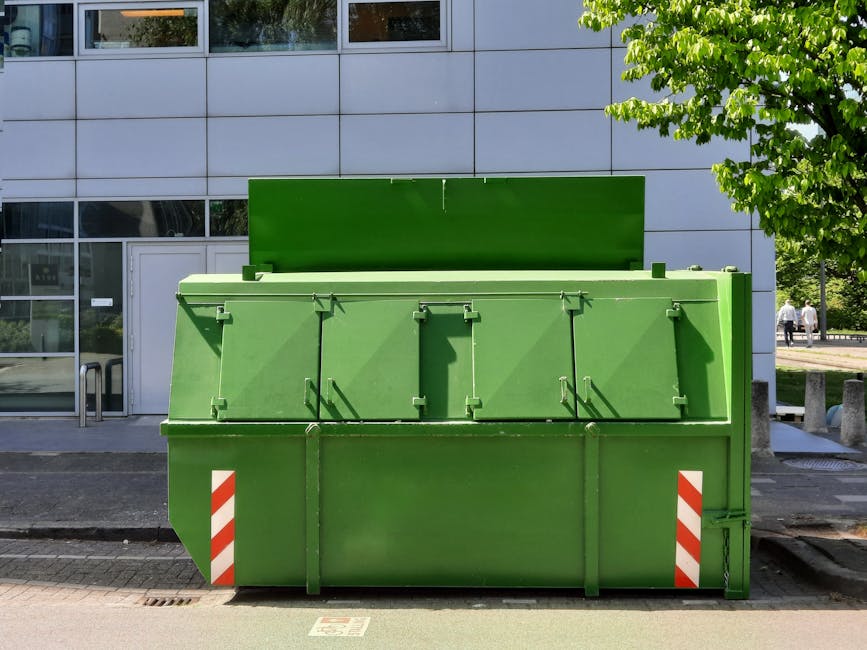
Common mistakes to avoid
This is where most of the pain sits. The common problems with skip hire for Kingston homes usually come from a handful of predictable mistakes.
Booking the wrong size
The classic error. Too small and you pay twice. Too big and you pay for air. Neither feels great.
Ignoring access issues
A skip lorry may not be able to reverse safely into a tight street or over a tricky kerb. If the access is borderline, do not assume it will be fine on the day.
Forgetting the permit issue
If the skip sits on a public road, there may be a permit process. Leaving this until the last minute can delay the whole job.
Mixing in banned items
People often toss in things they assume are harmless: paint tins, electrical items, tyres, fridges, or heavy rubble without checking. That can cause extra charges or refusal of collection.
Overfilling the skip
It is tempting to stack "just one more bag" on top. Do not. Overfilled skips can be unsafe to transport and may need unloading before collection.
Not comparing total costs
The headline price is not always the final price. Collection timing, permit costs, weight limits, and extras can change the bill. If you want a better sense of how pricing can be presented, see pricing and quotes.
Tools, resources and recommendations
You do not need fancy equipment to plan skip hire well, but a few basic tools make a difference.
- Tape measure: useful for gate width, driveway length, and delivery access.
- Phone camera: take photos of the access route and the waste pile before booking.
- Simple room-by-room list: helps you estimate volume more honestly.
- Dust sheets or boards: useful to protect hard surfaces during loading.
- Gloves and sturdy footwear: essential if you are moving sharp or heavy items.
When deciding between skip hire and other waste removal methods, it also helps to review the wider service picture. The waste clearance Kingston page is a good starting point if you want to understand how more flexible collection services can fit around awkward access or smaller loads.
For homeowners clearing out a kitchen, bedroom, or family room, specialised disposal options can also be useful. Furniture, for example, can be more awkward than it first appears. If your main issue is bulky items rather than mixed debris, then furniture disposal in Kingston may be more practical than a full skip.
And if your project is centred on the loft, where access is often tight and dust seems to have a life of its own, a targeted loft clearance service may save you a lot of time and stair-climbing.
Law, compliance, standards and best practice
For most homeowners, the compliance side is less about legal jargon and more about common-sense checks that keep the job lawful and safe. In the UK, waste has to be handled responsibly, and homeowners should avoid passing waste to anyone who cannot show that they are working properly. That is especially important when hiring any disposal service for domestic rubbish.
Best practice usually includes:
- checking that the provider explains what can and cannot go in the skip
- confirming how the waste will be handled after collection
- making sure the skip is placed safely and does not block access routes
- separating hazardous or restricted items from general waste
- keeping records of the booking and any restrictions that were explained
Insurance and safety matter too. A skip placed badly can damage paving or block sightlines. A badly loaded skip can be unsafe to move. And if you are sharing space with neighbours, the social side matters as much as the legal side. Nobody wants to be "that house" on the street with the skip causing a row over parking.
If your home project involves trade work, you may also want to think about how the waste is being managed during the job itself. Good practice is usually to separate rubble, timber, metal, and general waste where possible. It makes disposal cleaner and often more efficient.
For more on company standards and the way a provider approaches safety, it can help to read insurance and safety and terms and conditions. Plain English, no drama.
Options, methods and comparison table
Skip hire is only one way to clear waste from a Kingston home. Depending on the job, another method may suit you better. Here is a simple comparison to help you think it through.
| Option | Best for | Main advantages | Main drawbacks |
|---|---|---|---|
| Skip hire | Large, ongoing, or mixed domestic waste | Loads over time, good for big projects | Space, permit, and overfill issues |
| Man-and-van collection | Bulky items or smaller mixed loads | Flexible, often easier for tight access | May not suit very large waste volumes |
| Specialist room clearance | Lofts, houses, offices, or furniture-heavy jobs | Less lifting for the homeowner, targeted service | Less DIY control over loading pace |
| Garden-only removal | Green waste and outdoor clearances | Better match for branches, soil, and hedge cuttings | Not ideal for mixed household rubbish |
In many Kingston streets, the deciding factor is not price alone. It is access. A skip can be excellent if you have the space. If you do not, a collection approach can be far less stressful. That is why the local context matters so much. If you are near denser parts of town, you may find the article on rubbish collection in the Canbury and Kingston Bridge area useful because it reflects the kind of access reality people actually face.
Case study or real-world example
A typical Kingston example goes something like this. A homeowner starts clearing a loft and a spare bedroom ahead of a renovation. At first, it looks like "a few bags and a bit of old furniture." Then the sorting begins. There are boxes of papers, broken shelving, a mattress, paint tins that should never have been kept upstairs, and a pile of flattened packaging from old DIY work.
The homeowner books a skip that is probably a touch too small because the estimate felt safer. Delivery is arranged for a Friday. Then the real complications appear: a neighbour's car is parked in the only sensible drop spot, the access gate is narrower than expected, and by Sunday the skip is already full but the job is only three-quarters finished.
What went wrong? Mostly planning. The waste was not measured properly. The access route was not checked. The skip size was guessed rather than chosen. Nothing dramatic, just a chain of small oversights.
In a better version of the same story, the homeowner takes photos, measures the route, separates the waste, and gets advice on size before booking. The result is calmer, cheaper, and much less physically exhausting. Funny how that works.
If the job is time-sensitive, same-day or next-day help may be more sensible than waiting around for a skip to be delivered and collected. In that case, reading about same-day rubbish clearance delays and solutions can help you decide whether a more flexible approach suits the situation better.
Practical checklist
Use this checklist before you book anything.
- Have I measured the access route to the property?
- Do I know roughly how much waste I have?
- Is the waste mostly general, bulky, garden, or construction material?
- Will the skip fit on private land, or would it need to go on the road?
- Have I checked for restricted items?
- Do I know the loading limit and hire period?
- Have I compared the full cost, not just the headline price?
- Do I have enough space to load safely?
- Have I thought about neighbours, parking, and timing?
- Would a different disposal method be easier for this job?
If you can answer "yes" to most of those, you are already ahead of the game. If not, pause for a minute and sort the plan first. The minute you do that, the whole job becomes less annoying.
Conclusion
Skip hire can be a solid choice for Kingston homes, but only when the property, the waste, and the access all line up. The common problems with skip hire for Kingston homes are usually predictable: wrong size, awkward access, permit confusion, overfilling, and hidden extras. The good news is that all of them are manageable with a bit of prep.
If your home has tight access, limited parking, or a smaller load than you first thought, it may be wiser to compare options before committing. If the job is bigger and the space is right, skip hire can still be a practical, efficient solution. Either way, the smartest move is to plan around the property you actually have, not the one you wish you had.
Get a free quote today and see how much you can save.
And if you are still weighing it up, take your time. A careful choice now usually means a quieter, easier clear-out later. That is a good trade.

 Tipper Van - Rubbish Removal and Waste Collection Prices in Kingston, KT1
 Luton Van - Rubbish Removal and Waste Collection Prices in Kingston, KT1

